

Conference seating is not only about selecting chairs. It is a planning process that directly affects capacity, comfort, visibility, and overall functionality of a venue. Poor planning can lead to inefficient space usage, reduced comfort, and long-term operational issues.
For architects, contractors, and project owners, understanding how to plan conference seating correctly is essential for achieving a balanced and efficient layout.
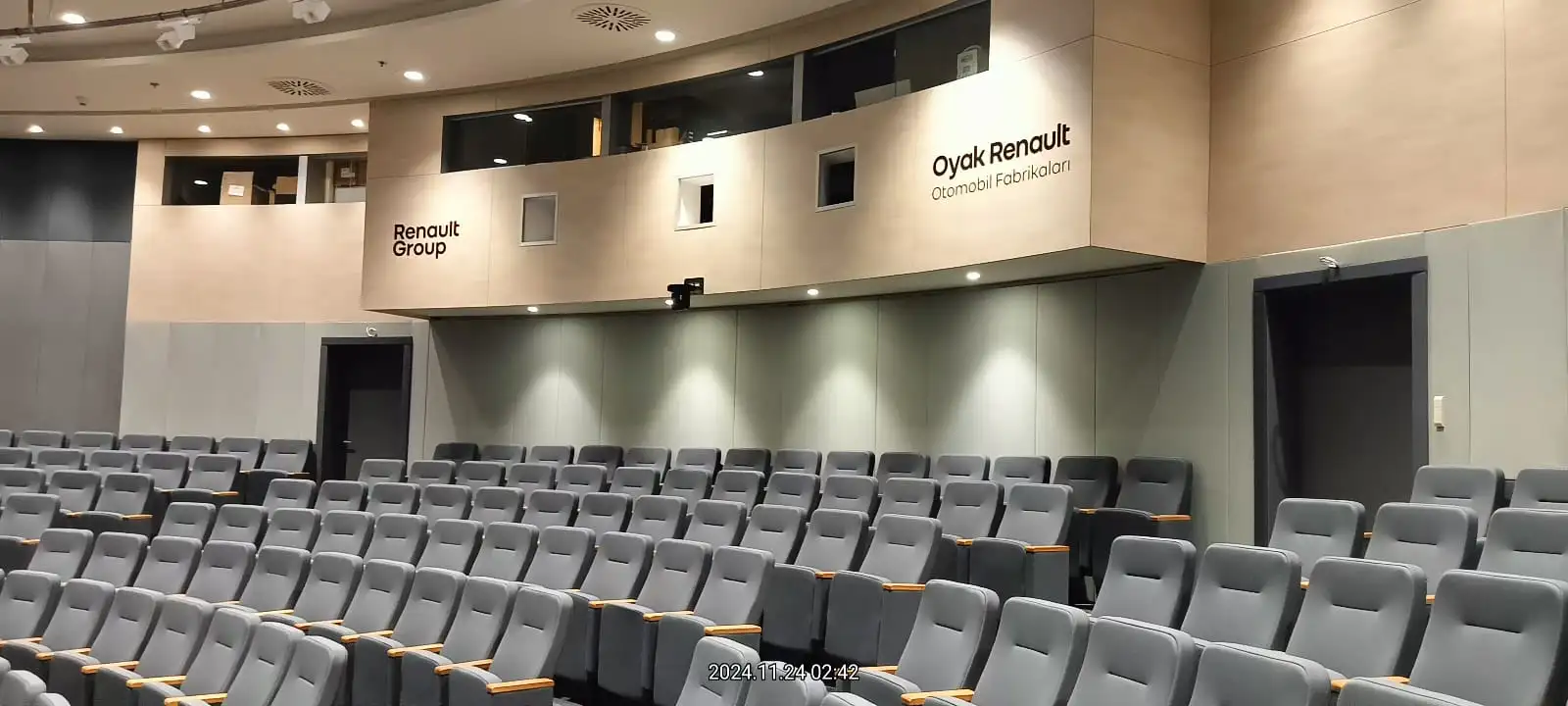
Why Seating Planning Matters
In conference halls and auditoriums, seating layout defines how the space will function.
Proper planning ensures:
- Maximum seating capacity without overcrowding
- Clear sightlines for all users
- Comfortable movement between rows
- Compliance with safety regulations
Even small planning mistakes can affect the entire usability of the space.
Key Elements of Conference Seating Layout
A successful seating plan is based on several critical dimensions.
Row Spacing
Adequate spacing between rows is essential for both comfort and accessibility. Too little space restricts movement, while too much space reduces capacity.
Seat Width
Seat width affects both comfort and total seating capacity. A balanced approach is required to optimize both.
Step Height and Depth
In tiered venues, step dimensions determine visibility and ergonomic comfort. Incorrect step design can create visibility issues.
Aisle Placement
Proper aisle positioning improves accessibility and safety, especially in large venues.
Visibility and Sightline Optimization
One of the most important aspects of conference seating planning is ensuring clear visibility for every seat.
Factors that influence sightlines include:
- Floor slope or step design
- Seat height and positioning
- Distance from the stage or focal point
A well-designed layout ensures that all users have an unobstructed view.
Fixed Seating vs Flexible Layouts
Choosing between fixed and flexible seating affects the entire planning approach.
Fixed Seating
- Provides consistent alignment
- Maximizes capacity
- Ensures long-term stability
Flexible Seating
- Offers adaptability
- Suitable for multi-purpose spaces
- Less efficient in high-capacity venues
For most conference halls, fixed seating remains the preferred option.
Integrating Seating with Architectural Design
Conference seating should not be treated as a separate element. It must integrate with the overall architectural concept.
Considerations include:
- Alignment with wall geometry
- Compatibility with acoustic panels
- Visual harmony with interior design
- Integration with lighting systems
This ensures a cohesive and professional result.
Planning for Installation
Seating layout must also consider installation requirements.
Important factors:
- Mounting points and fixing methods
- Access for installation teams
- Alignment accuracy during installation
- Coordination with construction timelines
Proper planning reduces installation time and prevents errors.
Future-Proofing the Seating Layout
A well-planned conference seating layout should remain functional for years.
This includes:
- Allowing for easy maintenance
- Using durable materials
- Planning for potential upgrades
- Ensuring long-term usability
Future-proofing reduces the need for costly modifications.
Common Planning Mistakes
Many projects face issues due to poor planning.
Typical mistakes include:
- Overcrowding to maximize capacity
- Ignoring ergonomic spacing
- Incorrect step dimensions
- Poor aisle positioning
Avoiding these mistakes improves both comfort and safety.
Working with Accurate Project Data
To achieve the best results, planning must be based on accurate data.
Essential inputs:
- Architectural drawings
- Step dimensions
- Total area and layout
- Project requirements
Accurate data leads to accurate planning and better outcomes.
Conclusion
Conference seating planning is a critical stage in any auditorium or hall project. By focusing on layout, visibility, and long-term usability, project teams can create spaces that are both functional and comfortable.
A well-planned seating system not only improves user experience but also ensures efficient use of space and long-term reliability.